
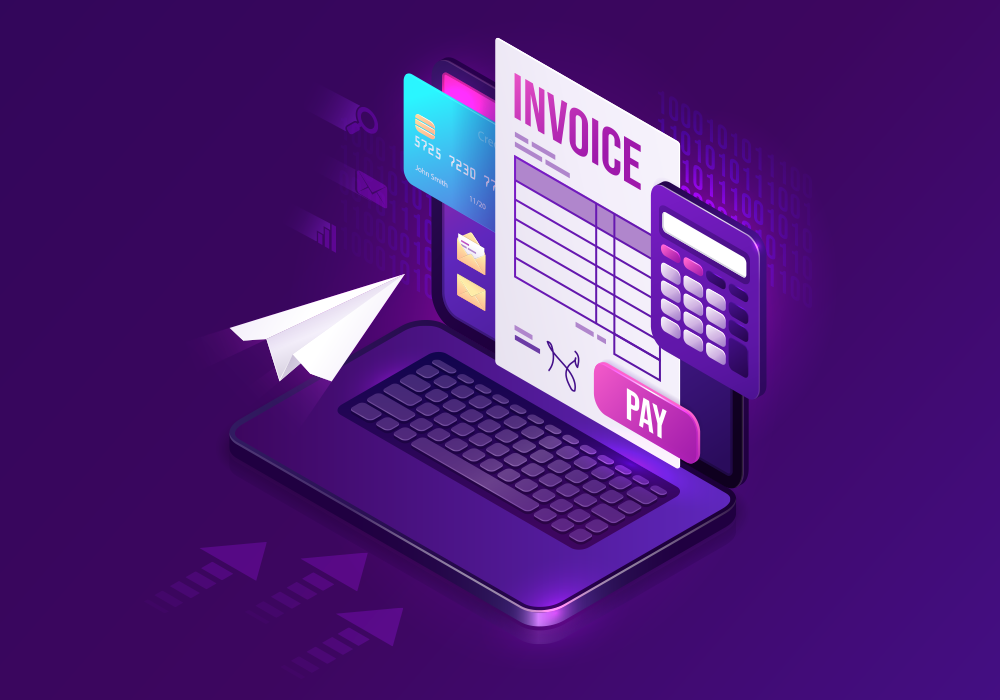
Invoice automation is transforming the way businesses handle billing, payments, and financial workflows. Instead of relying on manual invoice creation, data entry, approvals, and payment tracking, companies now use automated systems to streamline the entire invoicing process.
For businesses of all sizes, invoice automation helps reduce administrative workload, improve accuracy, speed up payment cycles, and increase operational efficiency. From small startups to large enterprises, automated invoicing systems are becoming essential tools for modern financial management.
This guide explains what invoice automation is, how it works, its major benefits, common features, implementation strategies, and why businesses are increasingly investing in automated invoicing solutions.
What Is Invoice Automation?
Invoice automation refers to the use of software and digital workflows to automatically create, process, send, approve, track, and manage invoices with minimal manual intervention.
Traditional invoicing often involves:
- Manual data entry
- Paper invoices
- Spreadsheet tracking
- Email approvals
- Repetitive administrative tasks
Invoice automation replaces these processes using:
- Cloud-based software
- Workflow automation
- AI-powered data extraction
- Payment integrations
- Digital approval systems
The goal is to simplify accounts payable and accounts receivable operations while reducing errors and delays.
How Invoice Automation Works
Most invoice automation systems follow a structured workflow.
Invoice Creation
The system automatically generates invoices using:
- Customer information
- Order data
- Payment terms
- Tax calculations
- Product details
This reduces repetitive manual work.
Data Extraction
Modern invoice automation software often uses:
- OCR technology
- AI-based scanning
- Smart document recognition
to extract information from invoices automatically.
This helps eliminate manual data entry.
Approval Workflows
Invoices can be routed automatically to the correct departments or managers for approval.
This improves:
- Efficiency
- Transparency
- Accountability
- Processing speed
Payment Processing
Many systems integrate directly with:
- Accounting software
- Payment gateways
- Banking systems
- ERP platforms
This allows faster payment collection and tracking.
Reporting and Tracking
Businesses can monitor:
- Outstanding invoices
- Payment history
- Approval status
- Cash flow trends
- Late payments
in real time through dashboards and analytics tools.
Benefits of Invoice Automation
There are several major advantages to using invoice automation.
Faster Invoice Processing
Automated systems significantly reduce the time required to:
- Create invoices
- Route approvals
- Process payments
- Reconcile transactions
This improves overall financial efficiency.
Reduced Human Error
Manual invoicing often leads to:
- Incorrect totals
- Duplicate invoices
- Data entry mistakes
- Missing information
Automation improves accuracy and consistency.
Improved Cash Flow
Faster invoicing and payment processing help businesses:
- Receive payments sooner
- Reduce overdue invoices
- Improve financial stability
- Maintain healthier cash flow
Lower Administrative Costs
Invoice automation reduces the need for repetitive manual tasks.
This helps businesses:
- Save labor costs
- Increase productivity
- Reduce paperwork
- Improve operational efficiency
Better Compliance and Record Keeping
Automated systems store:
- Invoice history
- Approval logs
- Payment records
- Audit trails
This simplifies compliance and financial reporting.
Common Features of Invoice Automation Software
Modern invoice automation platforms often include advanced functionality.
Automated Invoice Generation
Invoices can be generated automatically based on:
- Sales orders
- Contracts
- Subscription billing
- Recurring payments
OCR Invoice Scanning
OCR technology converts scanned invoices into editable digital data.
This reduces manual entry requirements significantly.
Approval Routing
Invoices automatically move through predefined approval workflows.
This prevents bottlenecks and delays.
Payment Reminders
Automated reminders help businesses reduce late payments by notifying customers before due dates.
Accounting Software Integration
Most invoice automation tools integrate with:
- QuickBooks
- Xero
- Sage
- NetSuite
- FreshBooks
This improves synchronization between systems.
Cloud Accessibility
Cloud-based platforms allow businesses to:
- Access invoices remotely
- Collaborate across teams
- Monitor payments in real time
- Improve remote accounting workflows
Why Businesses Are Adopting Invoice Automation
Several trends are driving demand for invoice automation.
Remote Work Growth
Modern businesses increasingly require:
- Digital workflows
- Cloud accessibility
- Remote approvals
- Online payment management
Automation supports distributed teams effectively.
Rising Transaction Volumes
Growing businesses process larger numbers of invoices every month.
Manual systems struggle to scale efficiently.
Automation handles high invoice volumes more effectively.
Demand for Faster Payments
Delayed invoicing often causes delayed payments.
Automated systems help businesses invoice customers faster and improve payment collection speed.
Increased Focus on Efficiency
Companies continuously seek ways to:
- Reduce operational costs
- Improve productivity
- Minimize repetitive tasks
Invoice automation supports all these goals.
Invoice Automation for Small Businesses
Small businesses benefit significantly from automation because it reduces administrative burden.
Owners can spend less time on:
- Manual billing
- Tracking payments
- Data entry
- Paperwork
and more time focusing on growth and customer service.
Many small businesses also use a printable invoice template for quick offline billing or backup documentation when digital systems are unavailable, says Luzenta.com.
Industries That Use Invoice Automation
Invoice automation is widely used across many industries, including:
- Retail
- Healthcare
- Construction
- Manufacturing
- Professional services
- E-commerce
- Logistics
- SaaS companies
Any organization processing recurring invoices can benefit from automation.
Challenges of Manual Invoice Processing
Traditional invoicing creates several operational problems.
Slow Processing
Manual approvals and paperwork increase delays.
Lost Documents
Paper invoices can be:
- Misplaced
- Duplicated
- Forgotten
- Difficult to track
Higher Error Rates
Human mistakes become more common when processing large invoice volumes manually.
Limited Visibility
Without automation, businesses often struggle to track:
- Approval status
- Outstanding invoices
- Payment timelines
- Financial reporting
AI and the Future of Invoice Automation
Artificial intelligence is increasingly improving invoice automation systems.
AI-powered features include:
- Smart invoice categorization
- Fraud detection
- Predictive analytics
- Automated approval recommendations
- Intelligent data extraction
As technology advances, invoicing systems will become even more accurate and efficient.
Security in Invoice Automation
Financial data security is critical.
Modern invoice automation systems use:
- Encryption
- Access controls
- Audit logs
- Multi-factor authentication
- Secure cloud storage
Businesses should always choose reputable software providers with strong security standards.
How to Choose Invoice Automation Software
When selecting a platform, businesses should consider:
- Ease of use
- Integration options
- Scalability
- Reporting tools
- Security features
- Pricing
- Customer support
The right solution depends on business size and operational complexity.
Cloud-Based vs On-Premise Invoice Automation
Cloud-Based Solutions
- Remote access
- Automatic updates
- Lower upfront costs
- Easier scalability
On-Premise Solutions
- Greater internal control
- Custom infrastructure
- Local data management
Most modern businesses prefer cloud-based systems because of flexibility and accessibility.
Frequently Asked Questions About Invoice Automation
Is invoice automation suitable for small businesses?
Yes. Many affordable platforms are designed specifically for small business workflows.
Does invoice automation reduce payment delays?
In most cases, yes. Faster invoice processing usually improves payment speed.
Can invoice automation integrate with accounting software?
Yes. Most platforms support integrations with major accounting systems.
Is invoice automation secure?
Reputable providers use encryption and secure infrastructure to protect financial information.
Can automated invoicing handle recurring billing?
Absolutely. Subscription and recurring invoice management are common features.
Final Thoughts
Invoice automation is becoming an essential part of modern financial operations because it improves efficiency, accuracy, scalability, and cash flow management.
By replacing manual invoicing processes with automated workflows, businesses can:
- Save time
- Reduce costs
- Minimize errors
- Improve payment collection
- Increase financial visibility
Whether for small businesses or large enterprises, automated invoicing systems help organizations streamline operations and adapt more effectively to today’s fast-moving digital business environment.